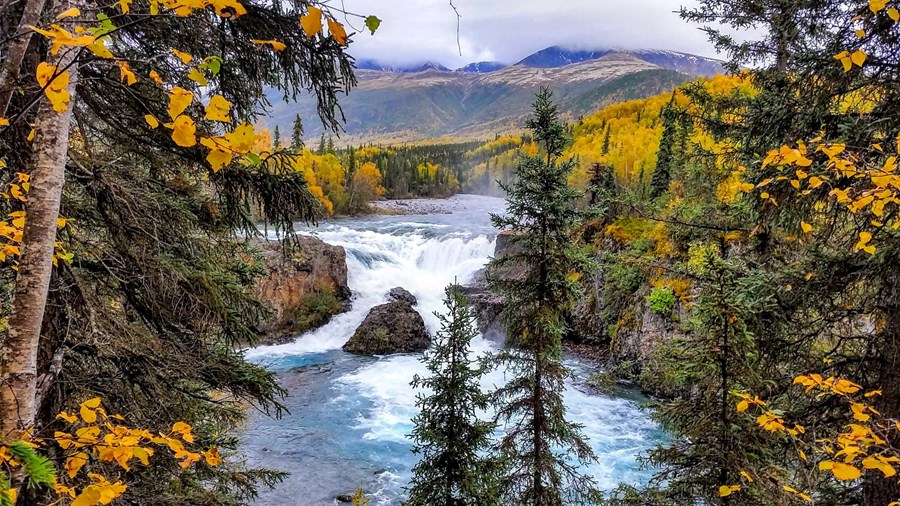
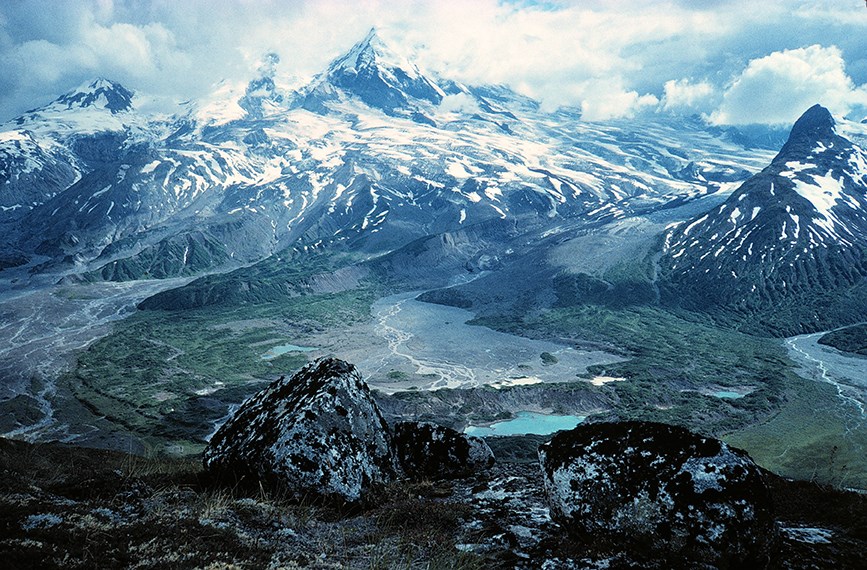
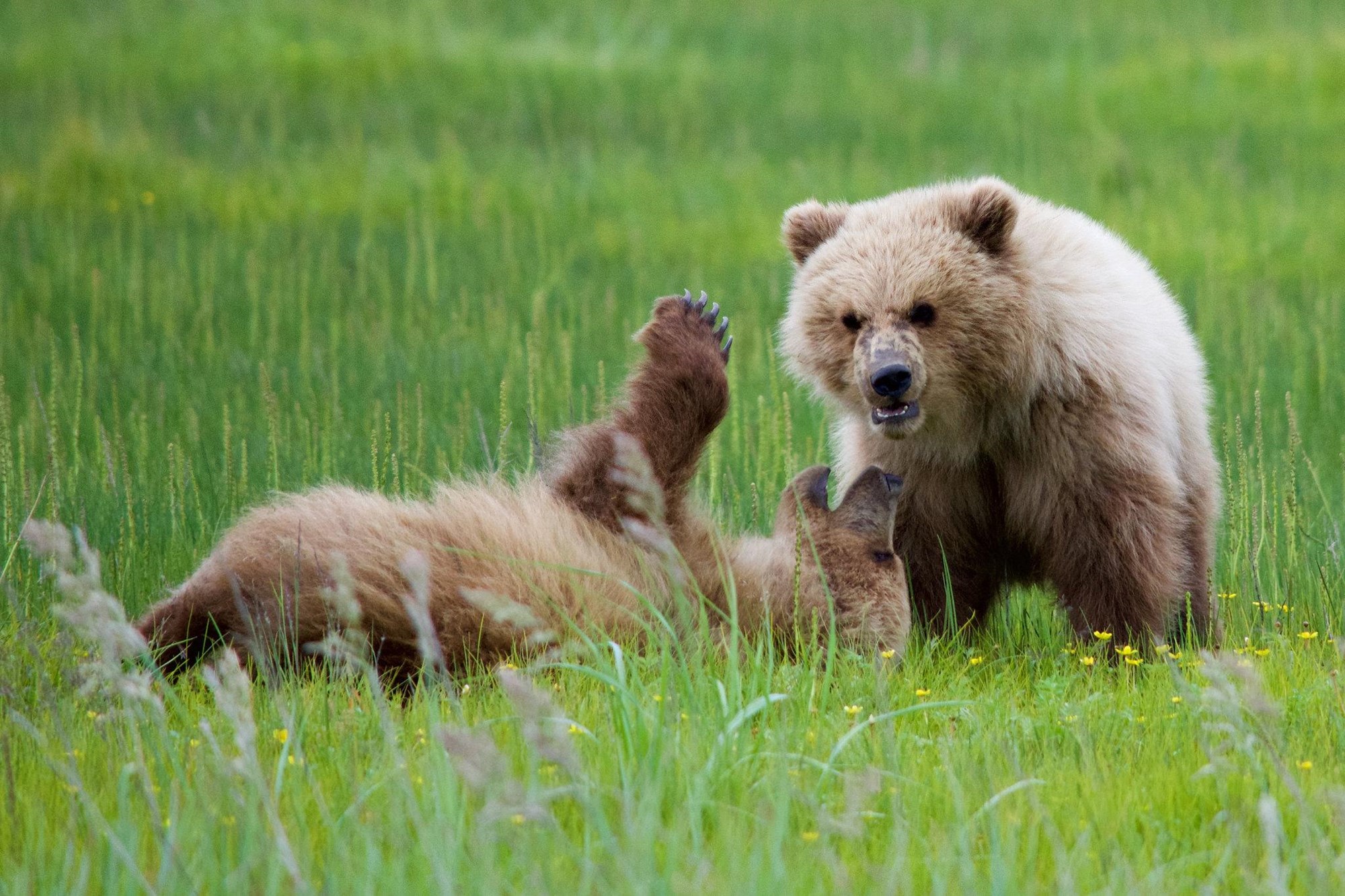
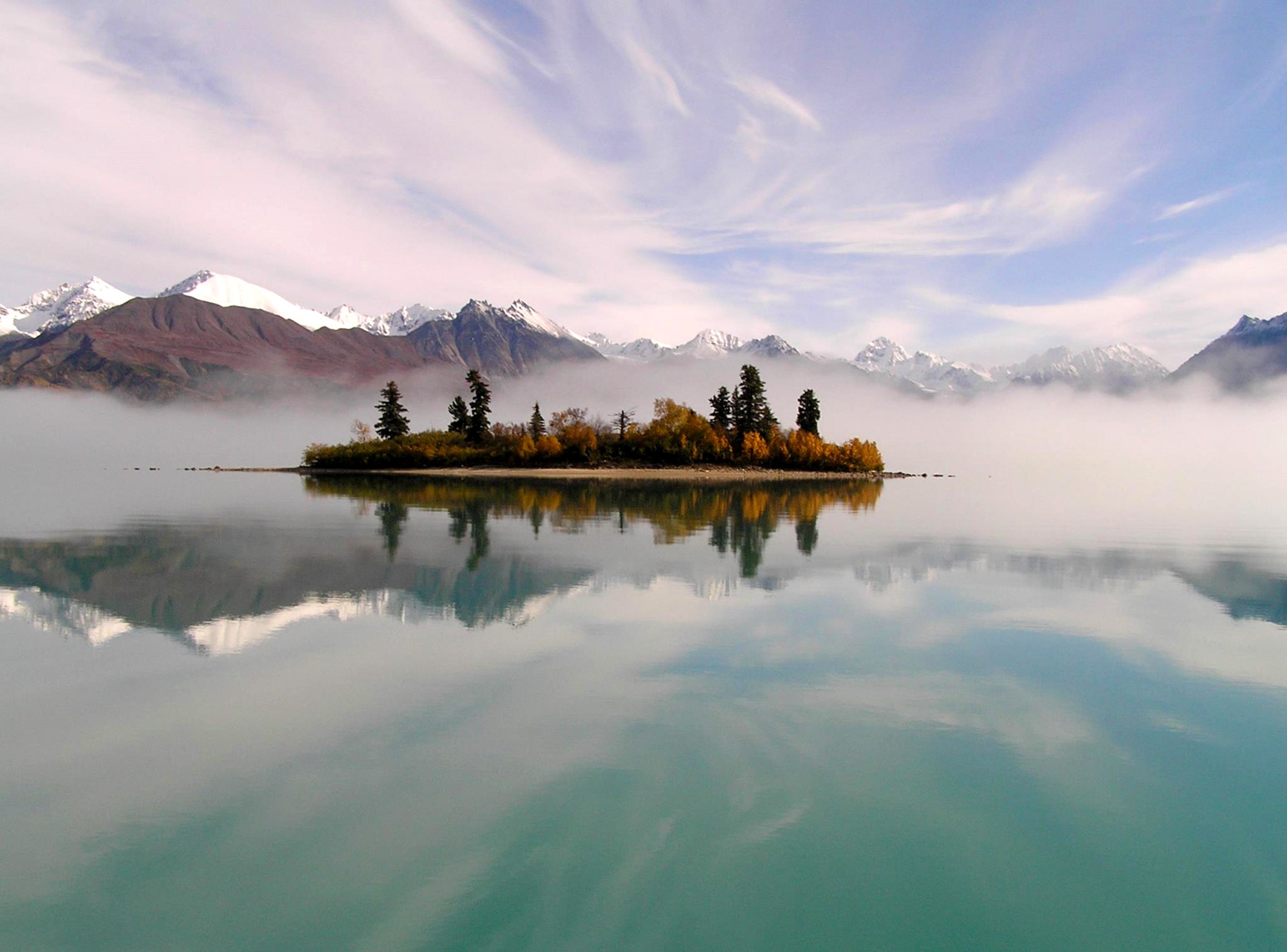
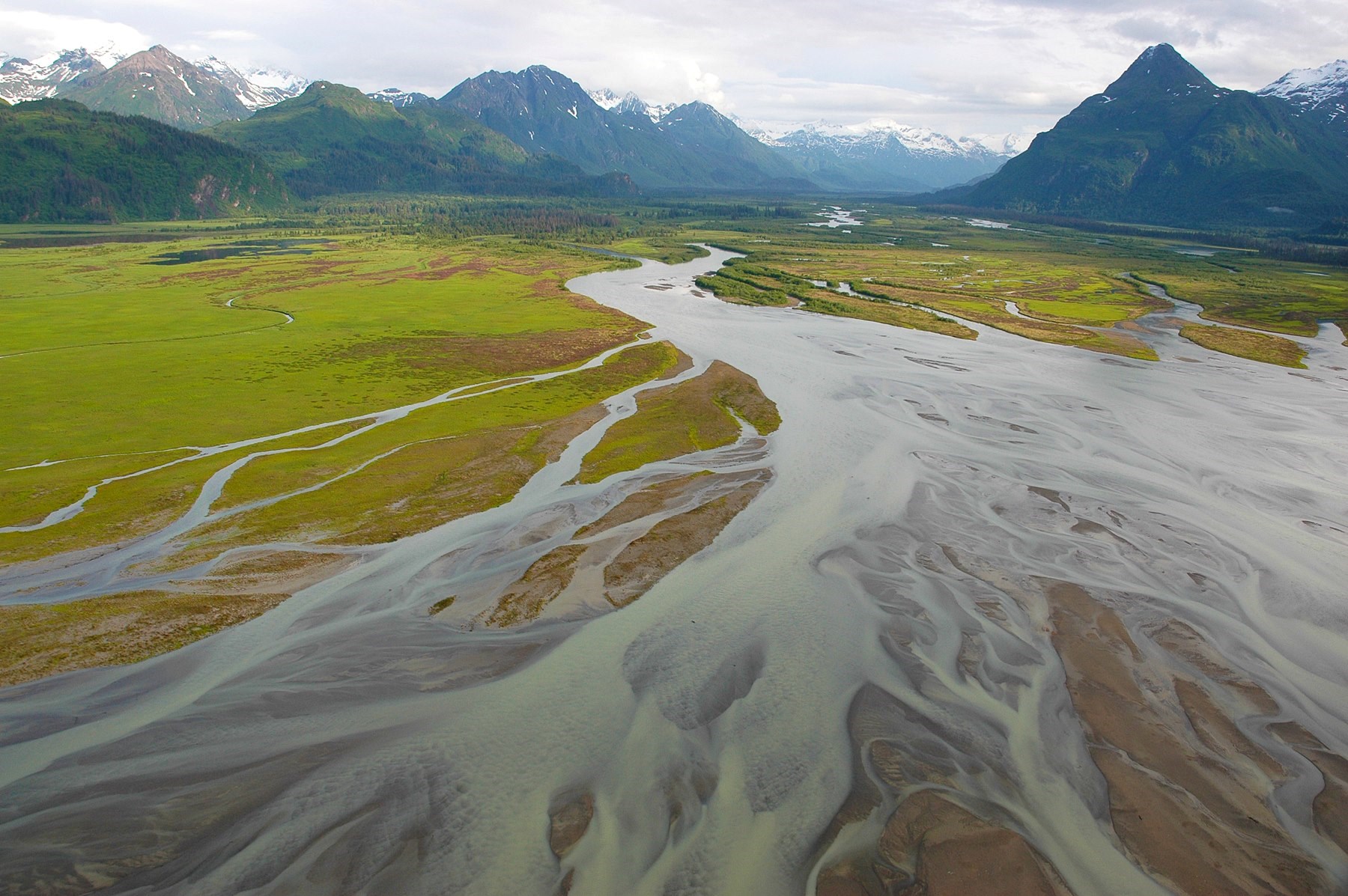
Volcanoes steam, salmon run, bears forage, and craggy mountains reflect in shimmering turquoise lakes. Here, too, local people and culture still depend on the land and water.
Venture into the park to become part of the wilderness.
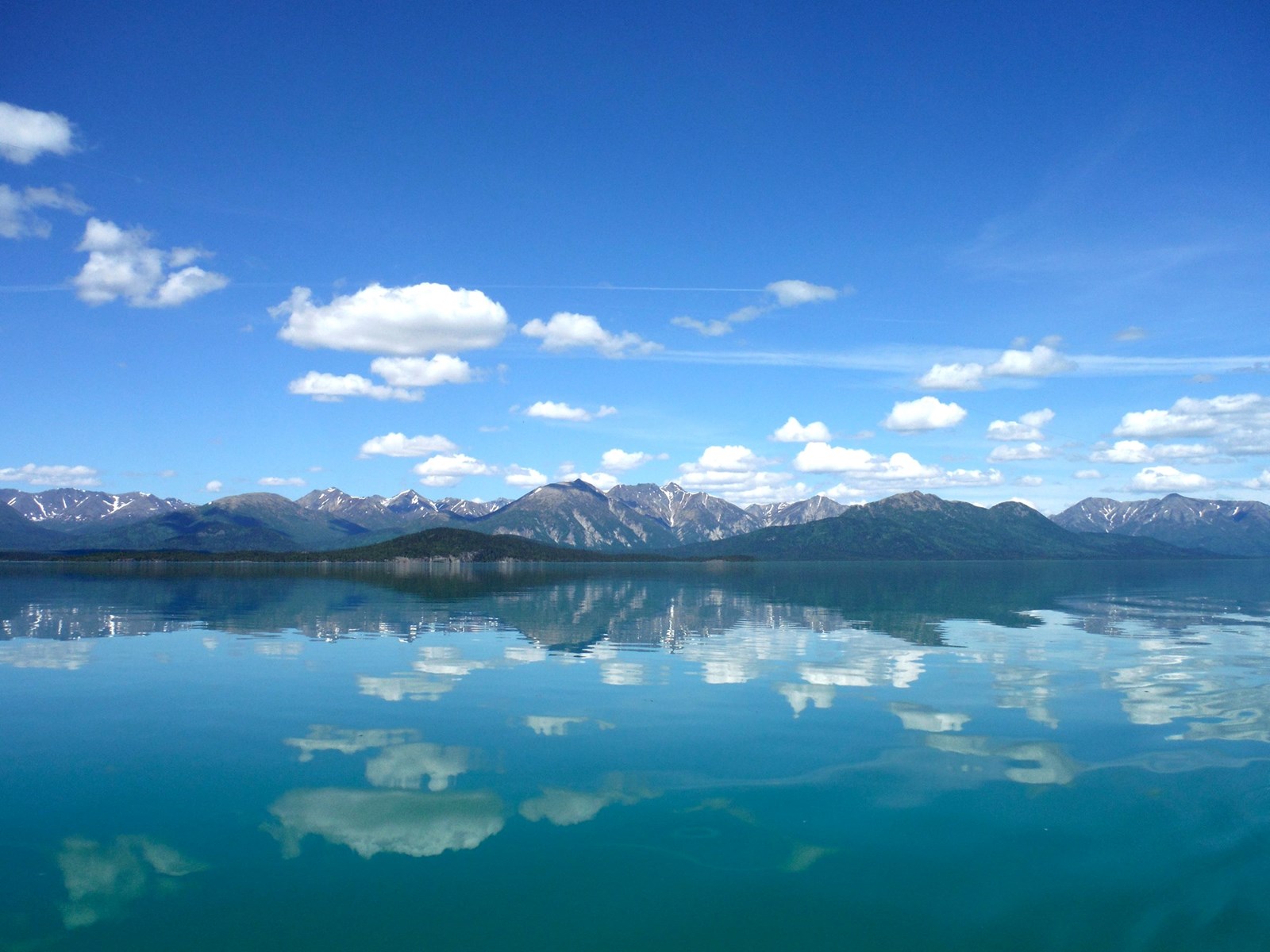 Photo: NPS Photo / James Kramer
Lake Clark National Park and Preserve is a land of stunning beauty.
 Weather now31°F Sunny
Volcanoes steam, salmon run, bears forage, and craggy mountains reflect in shimmering turquoise lakes. Here, too, local people and culture still depend on the land and water.
Venture into the park to become part of the wilderness.
13 experiences from the National Park Service. Check details on NPS.gov before you go.
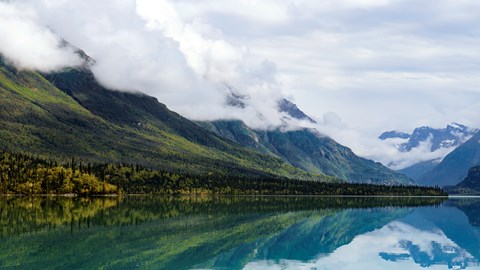
Pack up and journey out to the wilderness. Lay in your tent listening to a lone wolf's howl. Stand in awe as mountains reflect across still waters in the early morning light.
Learn more about Camp at Kontrashibuna Lake on NPS.gov (opens in a new tab)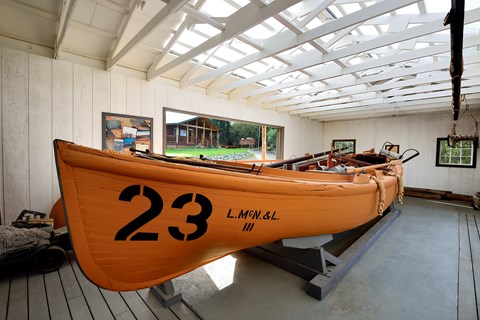
Explore a sailboat that spent more than 60 years on Bristol Bay waters during the heyday of Alaska's commercial salmon fishery.
Learn more about Discover Bristol Bay Fishing History on NPS.gov (opens in a new tab)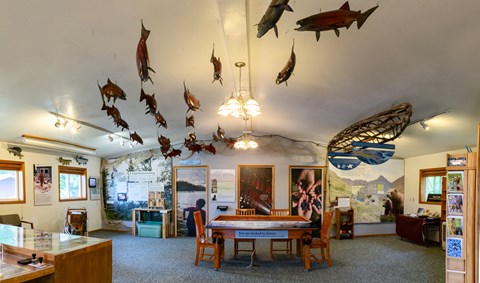
The Kvichak watershed which is fed by Lake Clark and runs into Bristol Bay, is one of the world's most productive spawning and rearing habitats for sockeye salmon. Lake Clark protects clean cold…
Learn more about Explore How Salmon Are Sustaining Southwest Alaska Communities on NPS.gov (opens in a new tab)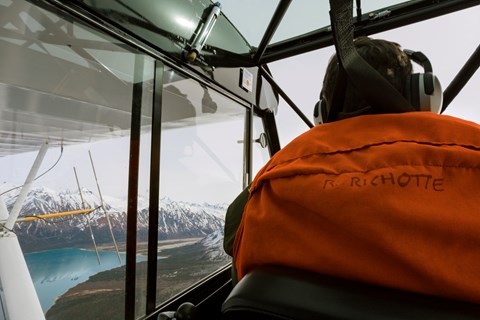
Reservation required Fee applies
Discover safely from a bird’s eye view. Volcanoes, coastline, mountain ranges, tundra, lakes, rivers, wildlife, and more! What will you see on your flight seeing trip?
Learn more about Flight Seeing at Lake Clark on NPS.gov (opens in a new tab)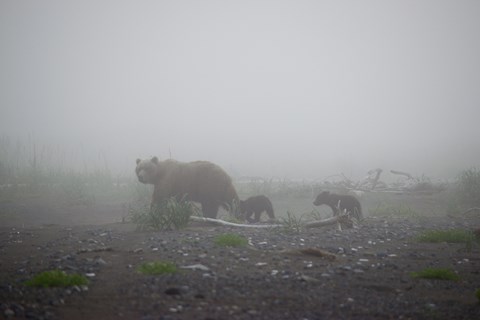
Reservation required
Learn where to go to see bears and become familiar with bear viewing best practices. Then watch the park's beautiful new 11 minute-long film, A Day on the Lake Clark National Park Coastline to get a…
Learn more about Fly-In Bear Viewing Along the West Cook Inlet Coast on NPS.gov (opens in a new tab)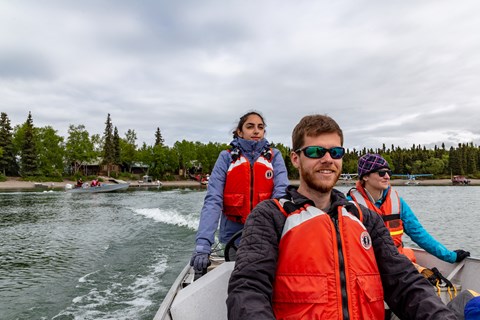
Lake Clark provides excellent fishing opportunities for adventurous anglers. The park and preserve includes some of the most pristine fishery habitats in the National Park system. Fly or boat out…
Learn more about Go Fishing on Lake Clark on NPS.gov (opens in a new tab)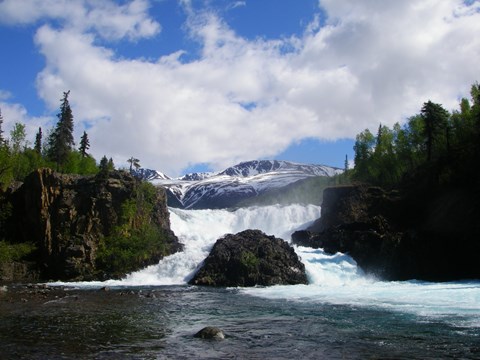
Want to try fishing in Alaska? This scenic spot offers both the lure of possible grayling catches and opportunities to take stunning pictures
Learn more about Go Fly Fishing at Tanalian Falls on NPS.gov (opens in a new tab)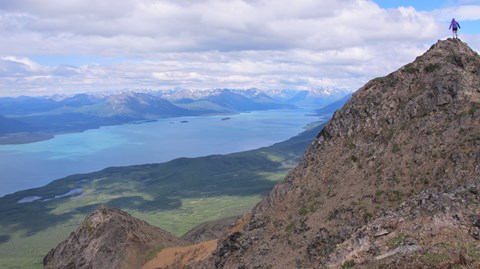
Epic elevation, heart-pumping exercise and stellar views. Discover the wild from Port Alsworth as you hike the trail to the top of Tanalian Mountain.
Learn more about Hike up Tanalian Mountain on NPS.gov (opens in a new tab)Showing 8 of 13
Load morePick one to find other parks that offer it.
2 campgrounds listed on Recreation.gov. Check availability and current conditions before you go.
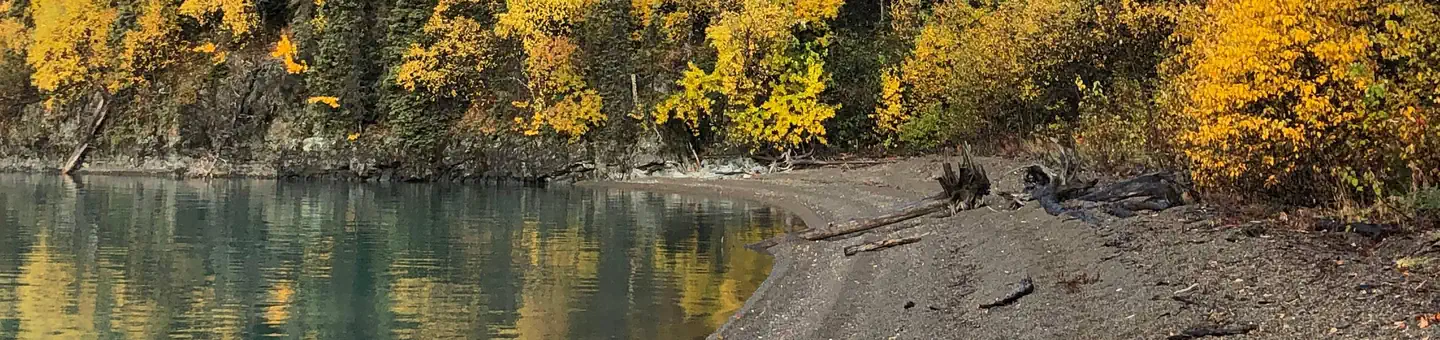
Reservable Campground
Come walk in the footsteps of an early 20th century trapper, prospector, and local woodworker with a stay in the Joe Thompson Cabin on the shores of Lake Clark in Lake…
Reserve on Recreation.govFees: $45.00 dollars per night.
Overview
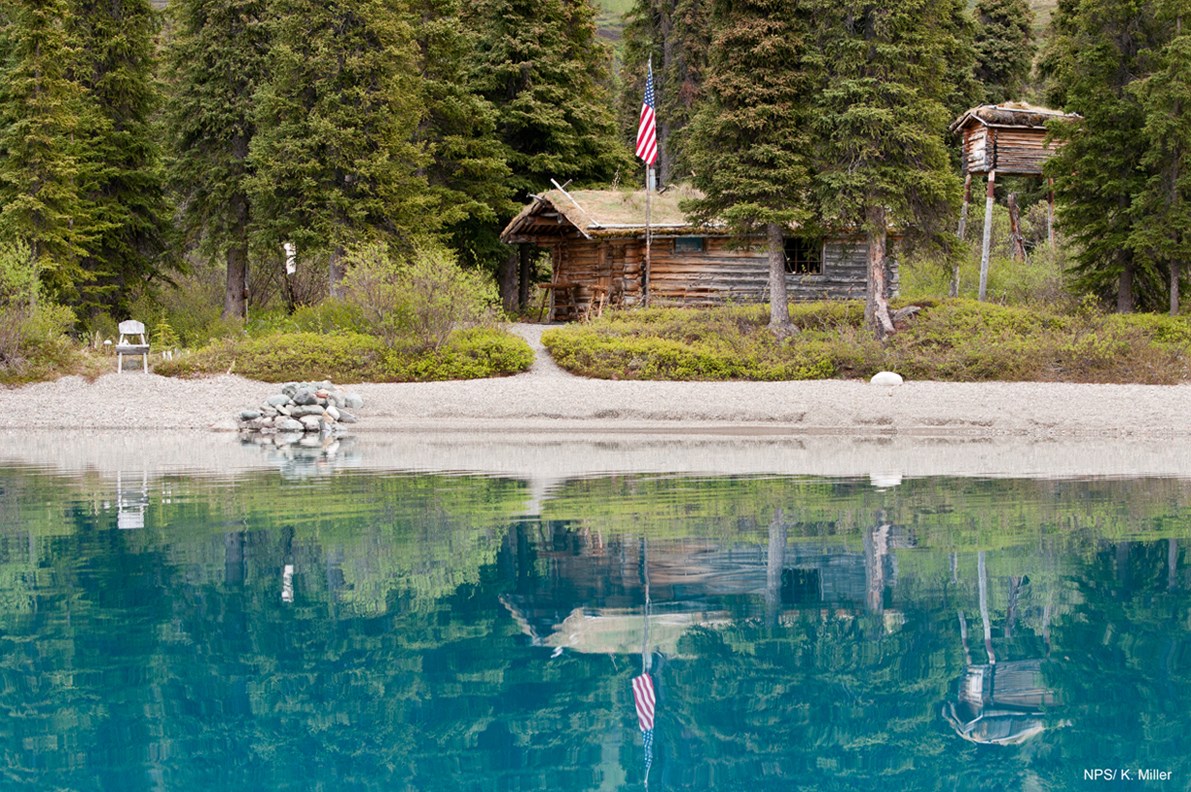
Come walk in the footsteps of an early 20th century trapper, prospector, and local woodworker with a stay in the Joe Thompson Cabin on the shores of Lake Clark in Lake Clark National Park.
Recreation
The cabin is an ideal location for kayaking, boating, fishing and wildlife viewing. Please refer to Alaska Department of Fish and Game for fishing regulations and license requirements. A trip up the nearby Portage Creek trail takes you above the treeline into the highcountry west of the lake for stunning views of the Aleutian and Alaskan Ranges.
Facilities
The cabin is rustic and accommodates up to three people. It is equipped with a wood stove, table and chairs and an outhouse nearby. Sleeping accommodations include wooden bunks -- with two twin size beds (bring your own pads). There is no electricity or running water at the cabin. Fresh water is available in the lake but must be treated. The cabin is equipped with a fire extinguisher and smoke detectors. There is no cell phone coverage at the cabin. There are no mooring buoys at this location.
The cabin does not offer trash service; nor does the nearby community of Port. Alsworth. Air taxis may accommodate visitor trash for a fee in Anchorage or other surrounding communities.
Natural Features
The Joe Thompson Cabin sits on the shore of Lake Clark, approximately 14 miles (22.5 km) north of Port Alsworth, Alaska. The cabin is set back in the forest with views of the lake. Streams and a developed trail are neearby.
Nearby Attractions
This is a remote backcountry cabin with the closest amenities available in Port Alsworth. The Portage Creek Trailhead is adjacent to the cabin.
Charges & Cancellations
If I book this reservation today, what are my options to change or cancel?
Please remember that reservations at these facilities prevent other visitors from using these sites. Planned changes to your stay should be made as far in advance as possible. You can make changes to your reservation ahead of your arrival date iin your Recreation.gov account in "My Reservations."
Changes
If your new stay dates are completely different from your original stay dates, there is a $10 change fee. There are no additional fees for adding or removing nights to your stay. Balances will adjust based on your new stay's nightly rate.
Cancellations
You may cancel the reservation any time before the date of your scheduled arrival. You will receive a refund for your stay, minus the following fees:
Late cancellation penalties may also apply:
What is “Late”?
For cabins, a late cancellation applies starting from midnight 14 calendar days or fewer before your scheduled check-in.
Late Fee
In addition to the fees listed above, a late cancellation will also subtract your first night's recreation use fee from any refund owed. As of the expected check-in day, cancellations or changes to your stay are not possible through your account. It is at the facility's discretion to support additional Late Cancellations, No Show, or Early Departure updates – on-site personnel may not be able to assist. These changes carry penalties and may forfeit recreation use fees. For additional details, please visit the Rules and Reservation Policies page .

Reservable Campground
Take yourself back in time with a stay in the Priest Rock Cabin on Lake Clark. Split some wood and head inside to light a blaze in the wood stove, under the light of the…
Reserve on Recreation.govOverview
Take yourself back in time with a stay in the Priest Rock Cabin on Lake Clark. Split some wood and head inside to light a blaze in the wood stove, under the light of the moon as it shimmers on the lake. Enjoy the warmth as your gear dries out from a day on the water.Recreation
The cabin is an ideal location for kayaking, boating, fishing and wildlife viewing. Please refer to Alaska Department of Fish and Game for fishing regulations and license requirements.
Facilities
The cabin is rustic and accommodates up to six people. It is equipped with a wood stove, table and chairs and an outhouse nearby. Sleeping accommodations include wooden bunks -- three single beds and one queen bed. There is no electricity or running water at the cabin. Fresh water is available in the lake but must be treated. The cabin is equipped with a fire extinguisher and smoke detectors. There is no cell phone coverage at the cabin. There are no mooring buoys at this location.Natural Features
The Priest Rock Cabin sits on the north shore of Lake Clark, approximately eight miles (13 km) north of Port Alsworth. The cabin is perched above a small creek that runs into the lake. It commands a sublime view of the upper reaches of Lake Clark backed by mountains soaring to 6,000 feet (1829 m).
Nearby Attractions
This is a remote backcountry cabin with the closest amenities available in Port Alsworth. There are no maintained trails surrounding the cabin.Find visitor services available in the park. Check current hours and availability before you go.
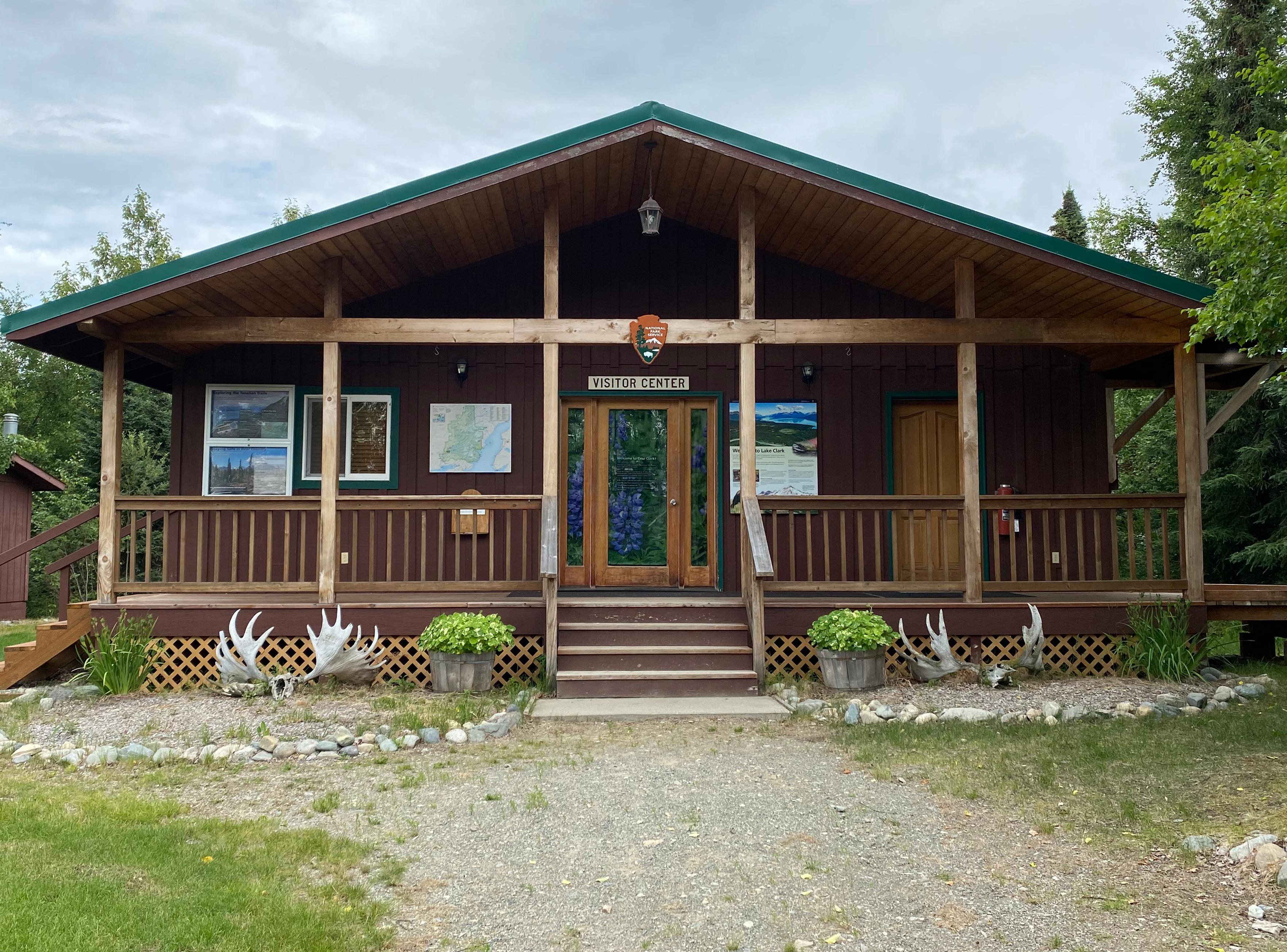
Facility
Come and enjoy the visitor center and exhibits and get information from our rangers. Visitors can find a wealth of park information including local hiking trail details…
1 Park Place, Port Alsworth, AK (907) 644-3660 Directions
Open 24 hours, daily · Lake Clark National Park and Preserve
The park and preserve are open 24 hours per day, seven days per week year round. However, visitor services are limited Labor Day through Memorial Day. Seasonal and temporary closures are listed by location on the Operating Hours & Seasons page.
No entrance fees listed.
43° 28°
44° 29°
 39° 34°
Updated 5 hr ago
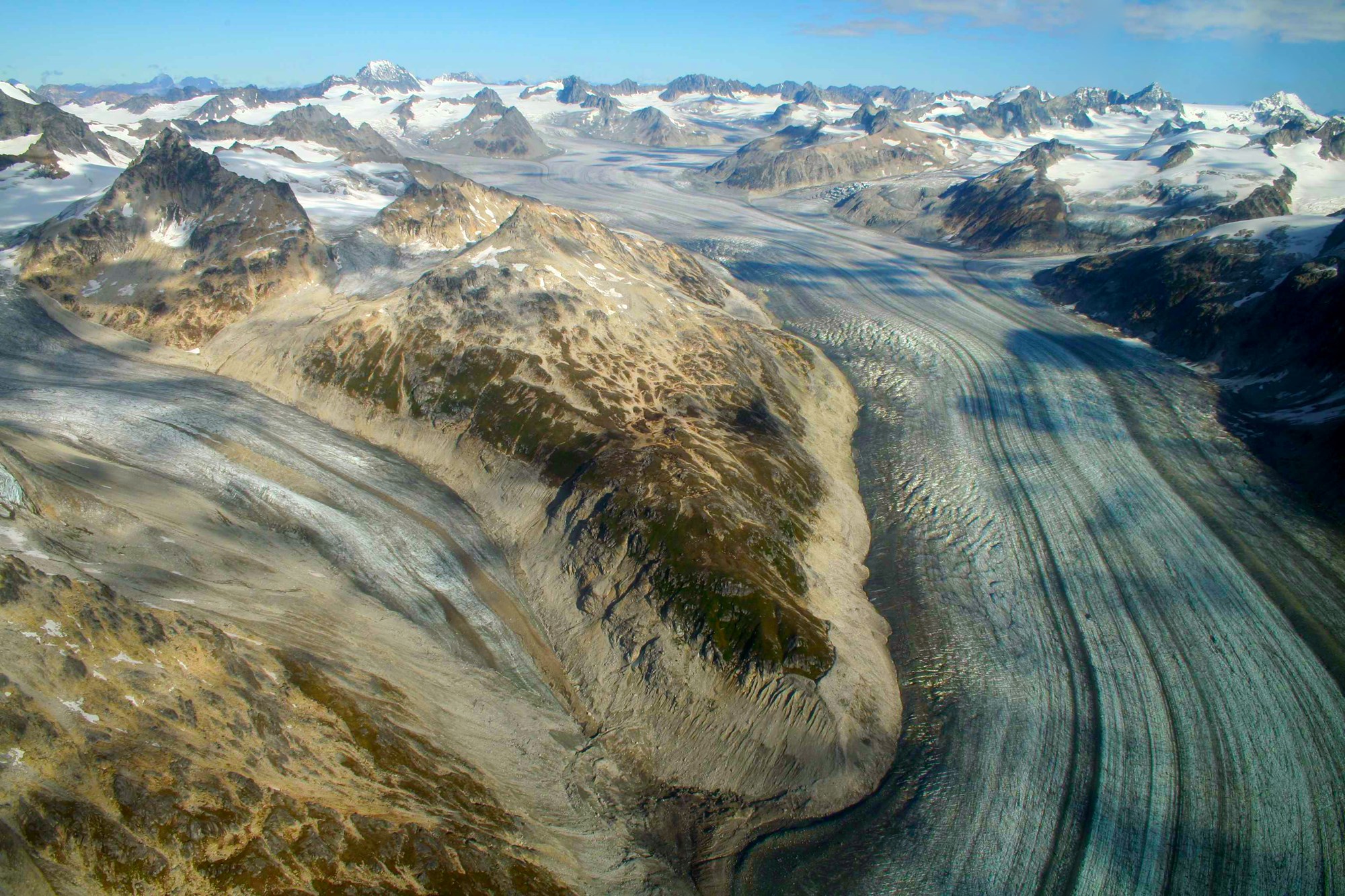
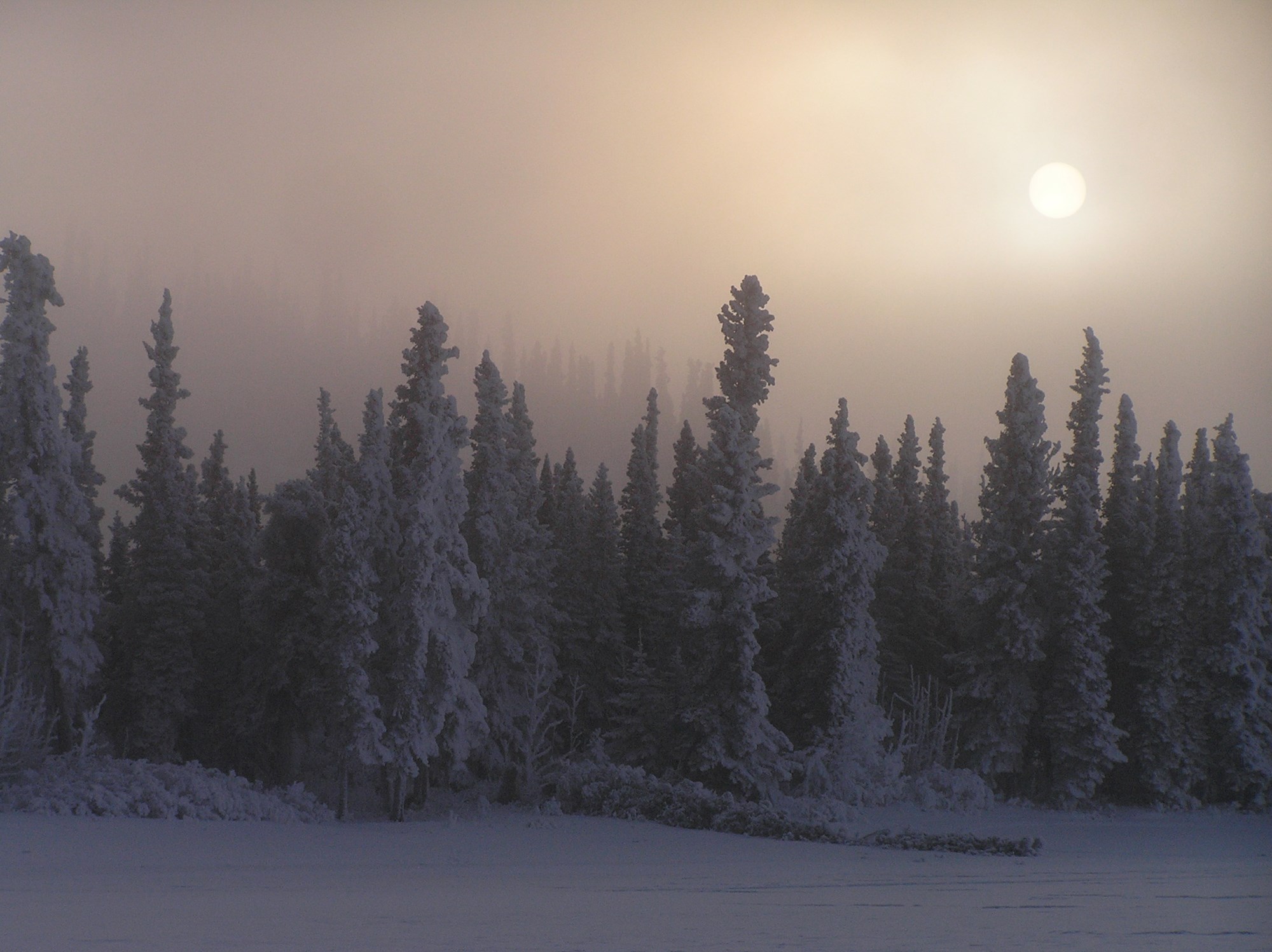
Lake Clark has two distinct climate areas: the coast and the interior. The coast is wetter and experiences milder temperatures. The interior gets half to one fourth as much precipitation, but temperatures are hotter in summer and colder in winter. Frost and snow can occur any time parkwide, but are most common from September to early June. Lakes here typically begins freezing in November and melting in April. Ice conditions dictate whether planes need floats or skis to land on lakes.
Lake Clark is located on the Alaska Peninsula southwest of Anchorage and north of Katmai National Park. It is not on the road system; therefore, in order to get here you must travel either via plane or by boat.
A one to two-hour flight from Anchorage, Kenai, or Homer will provide access to most points within Lake Clark. Fixed-wing aircraft are allowed to land on all suitable lakes, rivers, beaches, gravel bars, and open ground in both the park and preserve unless the area is closed or otherwise restricted.
Mailing address: 1 Park Place, Port Alsworth, AK 99653
Ask about trails, fees, weather, events, or planning your visit.
AI answers can be wrong. Check official NPS info before you go.